You may be clearing a relative's home after a death, your own unit before a move, or a vacated space in a park you manage. In each case, three things decide how the contents leave: what is kept, what needs its own disposal route, and what the park allows at the lot. Each of these can be sorted out at your own pace.
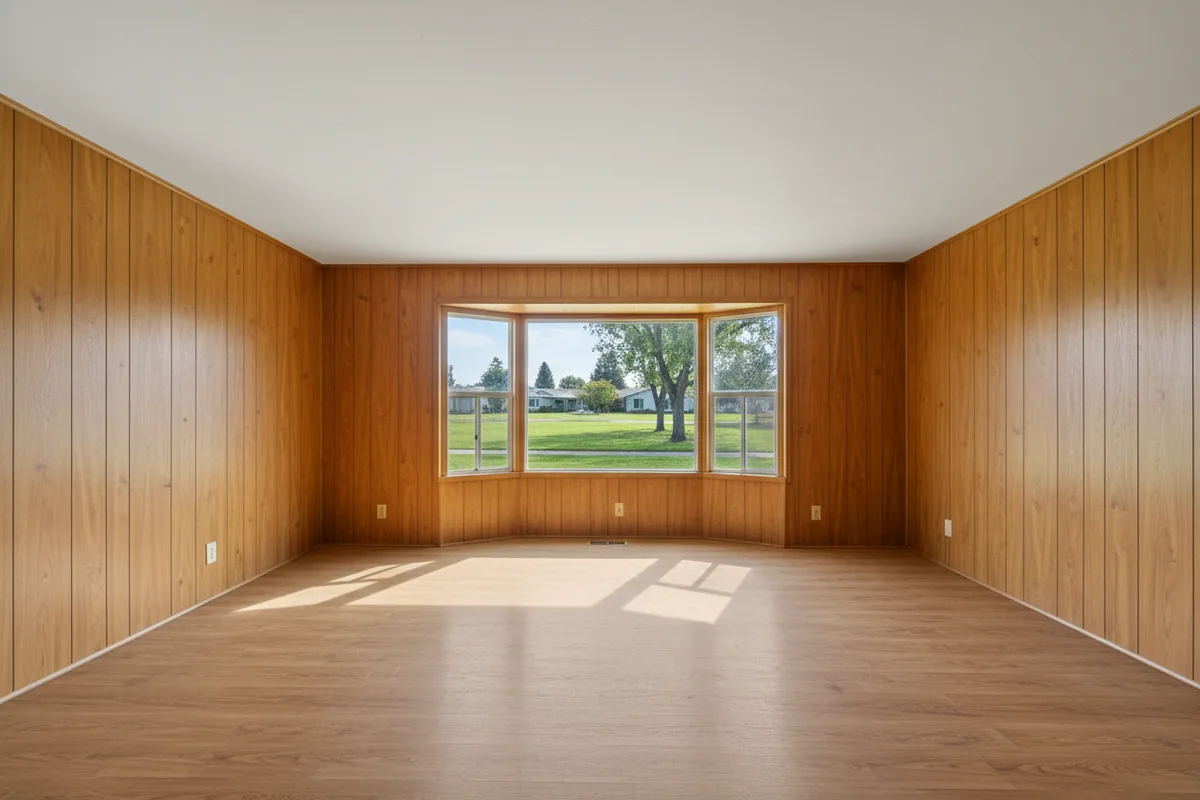
A mobile home cleanout in San Diego County clears the furniture, appliances, belongings and debris from inside a mobile or manufactured home and from its lot, without touching the structure itself. A hauler usually takes the general load. Hazardous products, electronics, refrigerant appliances, tires, mattresses and propane cylinders are set aside for separate handling. The park's rules shape access.
On this page
What a Mobile Home Cleanout Covers
A cleanout is the removal of furniture, appliances, personal property and debris from inside and around a home. In everyday speech, a "mobile home" and a "manufactured home" mean the same kind of housing: a factory-built home set on a lot, often in a park. People use the two terms for each other, and this page does too.
A cleanout addresses what is in and around the home. That includes the rooms, closets, built-in storage, any shed or carport, and items stored under or beside the unit. It does not include taking down the home, removing skirting or decking, or any other structural work. Those are separate projects.
A cleanout also does not have to be all or nothing. Some homes need every room emptied; others need only what remains after family members have taken what they want. The scope is simply whatever is left to go.
The main difference from a standard house cleanout is the setting. Park lanes, shared driveways, gates and neighbors' lots sit close together. The park's rules and the layout of the lot shape where a truck can stop and how items are carried out. The same sorting and room-by-room clearing applies as in an estate cleanout. Removing large pieces follows the general steps of furniture removal.
When a Mobile Home Cleanout Makes Sense
A full contents cleanout fits when a whole home needs to be emptied rather than a few pieces hauled away. Several situations lead there, and any of them may apply to the home in front of you:
- An estate or probate matter. A home's contents may need clearing before the home's title changes hands or before a park lot is given up.
- A move or relocation. The resident may be moving to a smaller place, to care, or out of the area, and cannot take everything along.
- A vacated unit. A landlord or park management may need to clear what a former occupant left behind.
- Repair or renovation prep. Flooring, plumbing or interior repairs may call for empty rooms.
The estate situation tends to carry the most weight. Family members are often sorting through a lifetime of belongings while also looking for the title, registration and other records the home's transfer depends on. That is why finding those papers and settling the keep list usually come before any hauling.
Whatever happens to the home afterward is a separate decision. Clearing the contents does not require selling it. Who may authorize the removal is for the owner or the person in charge of the property to settle.
Items That Need Special Handling
Some items found in mobile homes do not go out with the general load. Each category below has its own disposal route.
| Category | Examples found in mobile homes | Why it is set aside |
|---|---|---|
| Appliances with refrigerant | Refrigerators, freezers, window air conditioners, dehumidifiers | The refrigerant is recovered under federal rules; the agency named in those rules confirms how they apply |
| Electronic waste | TVs, computers, monitors, small electronics | California treats electronic waste separately from household trash; the state or county program confirms accepted items |
| Household hazardous waste | Paint, solvents, pesticides, cleaners, batteries, fluorescent bulbs | Goes to a separate drop-off or collection program, not a standard haul |
| Mattresses | Mattresses and box springs | Handled apart from household trash; the receiving facility or program confirms its rules |
| Tires | Tires from a car, trailer or the home's original transport | Handled apart from household trash; the receiving facility confirms its rules |
| Propane | Grill cylinders, larger tanks for heat or cooking | Pressurized fuel containers do not go in a general load |
Household hazardous waste means everyday products that are flammable, toxic or corrosive. Electronic waste, or e-waste, means discarded devices with circuit boards or screens.
The exact rule for each category, and where each item may be dropped off, comes from the program that handles it. In San Diego County, that may be the county or the city where the home sits, and their own pages describe what they take.
What Affects the Cost of a Mobile Home Cleanout
Every home is different, so a written quote looks at the particular home rather than a flat figure. A quote accounts for several factors, none of which can be priced from a page like this one:
- Volume and weight. More material means more labor and more disposal.
- Access to the lot. Narrow park lanes, a low entry and the distance from the door to where a truck can stop all add carrying time.
- The home's layout. Entry steps, a narrow hallway and small bedrooms slow the removal of large pieces.
- Special-handling items. Each category in the table above adds a separate disposal step.
- Park logistics. Some parks may ask for advance notice, limit hauling hours, or require approval for a bin on the lot. That affects scheduling.
- How full the home is. A furnished home differs from one already partly cleared.
The general structure of quotes is explained under junk removal pricing. Comparing written quotes side by side is easier when each one names the same items and access details.
How to Get Ready for a Mobile Home Cleanout
Getting ready can feel like a lot, especially when the home belonged to someone close. In practice, preparation for this kind of home centers on three things: the park, the keep pile and the items set aside. The checklist below follows that order.
- Hauling rules from park management. Useful details include the allowed hours, any notice the park expects, and whether a bin or container on the lot needs approval.
- Keep, donate and sell items sorted first. A hauler takes what remains, so the keep pile is decided ahead of time.
- Special-handling items set aside. Paint, batteries, electronics and propane cylinders stay apart from the general load.
- Documents stored in the home. The title, registration, tax notices, photos and personal records may be in drawers, closets and under-bed storage.
- Rules for curbs and common areas. A park or association may limit what can be placed by the lane or in shared spaces.
- Access details. Gate codes, guest parking limits and any low-clearance entry are worth noting to share when requesting a quote.
The general steps are laid out in how junk removal works. A sensible next step is to find the park's written rules or lease and see what they say about move-outs and hauling. If nothing is written down, or if the park's view of access is unclear, the question can go to the park office before a date is set.
Mistakes to Avoid
A few missteps make a mobile home cleanout harder than it needs to be. Each one is easy to head off:
- Mixing hazardous products or e-waste into the general load. These items can create disposal problems, and a hauler may leave them behind.
- Skipping the park's rules. A park may expect written notice or limit hauling to certain days or hours. Learning that on the day of the cleanout can stall the work.
- Leaving propane unflagged. A cylinder tucked under a sink or beside the unit is easy to miss unless it is pointed out.
- Treating every appliance alike. Refrigerators, freezers and window units with refrigerant go a separate route from a washer or a stove.
- Clearing before finding the title or registration. These papers matter if the home is being transferred or the lot given up.
- Scheduling before the keep list is final. Once items leave the property, getting them back is not possible.
None of these needs to be solved all at once. The keep list and the park's rules come first, and the rest follows from them.
Ready for a quote?
Add the items, the address and your timing.
Get my junk removal quoteFrequently asked questions
What is a property cleanout?
A property cleanout is the removal of furniture, appliances, belongings and debris from a home or unit. For a mobile home, it covers the interior and the lot but not the structure, as described above under what a cleanout covers. Cost is set out in a written quote.
How do you dispose of large items in San Diego?
Large items such as furniture, appliances and mattresses usually leave through a junk removal service, a drop-off at a facility that accepts them, or a city's bulky-item program where that city's own page describes one. What each route accepts, and what it costs, is set by the operator of that route.
Does a mobile home cleanout include appliance removal?
Appliances are usually part of a full contents cleanout. Units with refrigerant, such as refrigerators and window air conditioners, are handled apart from the rest under federal rules, as the special-handling table notes. Whether a specific appliance is taken is confirmed in the quote.
Do park rules affect a mobile home cleanout?
Yes. A park may set hauling hours, expect notice, or require approval for a bin on the lot. These limits shape scheduling and access. The park's own rules or office are where to confirm them for a particular home.
What items cannot go in a standard mobile home cleanout load?
Household hazardous waste, electronic waste, appliances with refrigerant, tires, mattresses and propane cylinders are set aside for separate handling. The special-handling table above lists examples of each and how each is routed.
How much does a mobile home cleanout cost?
Cost depends on volume, weight, lot access, the home's layout, special-handling items and park logistics. Any program or facility fee is set by that program's own schedule. A written quote accounts for these factors for the specific home.
What should I do with hazardous materials found in a mobile home?
Paint, solvents, pesticides, batteries and fluorescent bulbs are typically kept together and apart from the general load. Drop-off and collection options come from the program or facility that takes them in the area where the home sits.
Can a junk removal service clear a mobile home that is still titled as personal property?
A cleanout removes the contents. The home's title status is a separate administrative or legal matter. Where title or registration questions come up, an attorney confirms the process that applies.