The unit may be a condo you rent out, a duplex you own, a building you manage, or a relative's rental you are now looking after. Whatever the arrangement, the questions tend to be the same: what is actually left in the rooms, the garage and the yard, which of it can go out together, and what has to be handled on its own terms. This page walks through each of those for San Diego County properties.
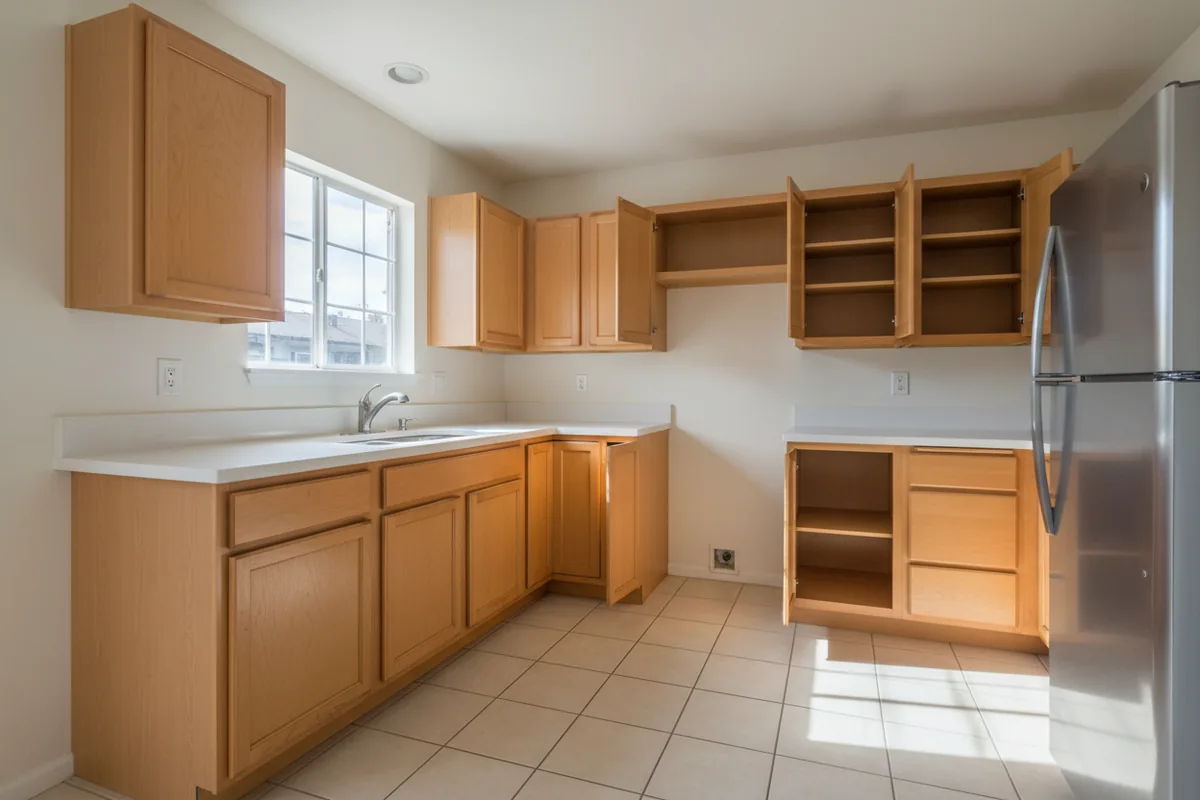
A rental property cleanout removes the furniture, appliances, boxes, clothing and debris left in a unit after a tenant leaves, so the space is empty and ready for cleaning, repairs or the next tenant. A hauler typically loads and removes the general items, while hazardous materials, electronics, appliances, mattresses and tires may each need their own route.
On this page
What a Rental Property Cleanout Covers
A cleanout clears out what a departing occupant left behind. A cleaning service does something different: it wipes surfaces, scrubs fixtures and readies the unit cosmetically. Between tenants, both are often needed, and the cleanout usually comes first so the cleaners have empty rooms to work in.
Two related terms come up often. Junk removal is the general service of taking unwanted items off a property. Hauling is the loading and transport of those items to wherever they go next, whether a donation center, a recycler, a transfer station (a facility where loads are sorted and consolidated before final disposal) or a landfill. For a broader look at how a pickup generally works, see the overview of junk removal in San Diego County.
What turns up in a rental varies. A typical list may include:
- Sofas, beds, dressers, tables and chairs
- Mattresses and box springs
- Refrigerators, washers, dryers and other appliances
- Clothing, boxes, toys and household goods
- Spoiled food and kitchen waste
- Leftover materials from repairs a tenant started
A cleanout may follow a routine move-out or the end of an eviction. Either way, the scope depends on what is in the unit, and that is what a quote is built around.
When a Cleanout Makes Sense
A full cleanout fits when the volume or the mix of items is more than a few trips to the curb can handle. A few situations come up again and again.
A turnover with a lot left behind. A departing tenant may leave a room or two of furniture, a closet of clothes, or a garage that looks untouched since move-in day. Removing it piece by piece can stretch the vacancy.
Property remaining after an eviction. Here the removal question is tied to a legal one, covered in the preparation and mistakes sections below.
More than a single bulky-item pickup can take. A city or a trash service may offer a limited pickup for large items. When the unit holds more than that, a hauler is one way to clear the rest.
Several kinds of items at once. Furniture, appliances, repair debris and cans of paint each route differently. A single cleanout can sort the general items from those that need another channel, so each item has a clear destination.
A cleanout simply empties the space. What happens with the property afterward, whether it is re-rented, sold or renovated, is a separate decision.
Items That Need Special Handling
Several categories do not belong in a general load, and knowing them by name makes a quote request clearer.
- Household hazardous waste is leftover household products that can harm people or the environment if mishandled: paint, solvents, pesticides, strong cleaning products, batteries and fluorescent bulbs.
- Electronic waste, or e-waste, is discarded electronics such as televisions, computers and monitors.
- Bulky items are large pieces, like sofas, mattresses and appliances, that do not fit in a standard trash container.
- Construction and demolition debris, or C&D debris, is material from repairs or renovation: drywall, lumber, tile and concrete.
- Green waste is yard trimmings, branches and other plant material.
Each category may route to a different place. San Diego County and its cities run programs for household hazardous waste, and electronic waste, appliances, mattresses and tires each have their own disposal channels. Which program accepts an item, on what terms, and at what cost is set by that program, and the county or city program for the property's location confirms how it applies. For one common rental leftover, the guide to mattress removal in San Diego County sets out the drop-off terms and when a haul-away may fit.
Refrigerators and freezers deserve a separate mention because they contain refrigerant. Listing them in a quote request lets the job account for them.
What Affects the Price
The cost of a rental cleanout is set out in a written quote, and it follows from the job itself rather than from a fixed number. The main factors:
| Factor | Why it matters |
|---|---|
| Volume and weight | More items and heavier loads take more space, labor and disposal. |
| Item categories | Hazardous waste, e-waste, appliances, mattresses and tires add handling steps. |
| Access | Stairs, narrow halls, elevator use and the distance from the unit to the truck all add time. |
| Property type and size | A studio differs from a multi-bedroom unit or several units in one building. |
| Timing | A firm move-in date or a narrow scheduling window can shape the job. |
Two units of the same size can quote differently. One may hold a few pieces of furniture on the ground floor; another may have a full garage, a third-floor walk-up and an old refrigerator. Describing those details up front is what lets a quote reflect the actual unit.
How to Get Ready
A short walk-through before a quote request helps avoid surprises later. In a rental, the scope often extends past the rooms last seen at move-in, and the forgotten storage closet is a familiar discovery.
- Every space on the property. Each room, closet, cabinet, garage, patio, balcony and storage area counts, since items anywhere on the property are part of the job.
- What stays. Anything you or another person intends to keep, including fixtures, owner-supplied appliances and paperwork, is easier to protect when it is marked or set aside.
- Special items. Paint, chemicals, batteries, electronics, appliances, mattresses and tires are worth noting so they appear in the quote request.
- Access. Truck parking, elevator availability, and any association or building rules on move-out hours or elevator pads all affect the day of the job.
- Clearance to enter. After an eviction, legal requirements may govern when and how remaining property can be removed, and an attorney confirms those rules.
- Paperwork. The lease's terms on property left behind and copies of any written notices already given are useful to have on hand.
Photos of each room and area also help describe the job accurately without anyone visiting first.
Mistakes to Avoid
The most consequential misstep is removing a former tenant's belongings without following California's rules for property left behind. California Civil Code sets out how a landlord handles personal property that remains after a tenant moves out or is evicted, and an attorney confirms the steps for a particular unit.
Other missteps are practical:
- Mixing special categories into a general load. Hazardous waste and electronics have their own disposal channels, and loading them with furniture complicates the job.
- Forgetting the outside. Patios, garages, side yards and assigned storage units are easy to miss in a walk-through and easy to discover after the truck leaves.
- Scheduling before checking access. An association's move-out hours or a reserved elevator can affect the date that works.
- Treating everything as one destination. Appliances, mattresses, tires and hazardous waste each go somewhere different.
When belongings remain, the lease and any notices already given are the usual starting point for a conversation with an attorney about what is left in the unit.
Ready for a quote?
Add the items, the address and your timing.
Get my junk removal quoteFrequently asked questions
What happens if a tenant leaves belongings behind in a San Diego rental?
California Civil Code sets rules for how a landlord handles property a tenant leaves behind after moving out or after an eviction. The steps depend on the circumstances, so an attorney confirms how those rules apply to a specific unit and its contents.
What is included in a rental property cleanout?
A cleanout covers what was left in the unit and in associated spaces such as patios, garages and storage areas. The exact scope depends on what is present and is confirmed in a quote.
Can a landlord throw away a tenant's belongings after an eviction in California?
California Civil Code generally governs what a landlord may do with property remaining after an eviction, and it sets specific requirements, though CCP § 1174 also addresses the procedure that applies after judgment in an unlawful detainer action. An attorney confirms the steps for a particular situation, and those steps usually come before any removal is scheduled.
What items need special handling during a rental cleanout?
Household hazardous waste such as paint, solvents, batteries and fluorescent bulbs, electronic waste such as televisions and computers, appliances, mattresses and tires each route separately from general items. The county or city program for the property confirms what it accepts.
What affects the cost of a rental property cleanout in San Diego County?
The volume and weight of items, any that need special handling, access conditions like stairs, parking and elevators, the size of the unit and the timing all shape the cost. It is set out in a written quote based on those factors.
Do I need to be present during a rental property cleanout?
It depends on the property and the arrangement made for the job. The owner or manager typically confirms access and marks any items to keep beforehand, which is what makes being on site less necessary.
What is the difference between a rental cleanout and a house cleaning?
A cleanout empties the unit of what was left behind; a cleaning service handles surfaces and fixtures afterward. A turnover often needs both.