Maybe it's a sagging backyard deck, a fence line leaning into the side yard, or a run of tired pickets at a rental between tenants. In each case, four things decide how the structure leaves the property: what it's made of, how much of it there is, how a crew gets to it, and whether any part of it needs its own disposal route. This page walks through each one.
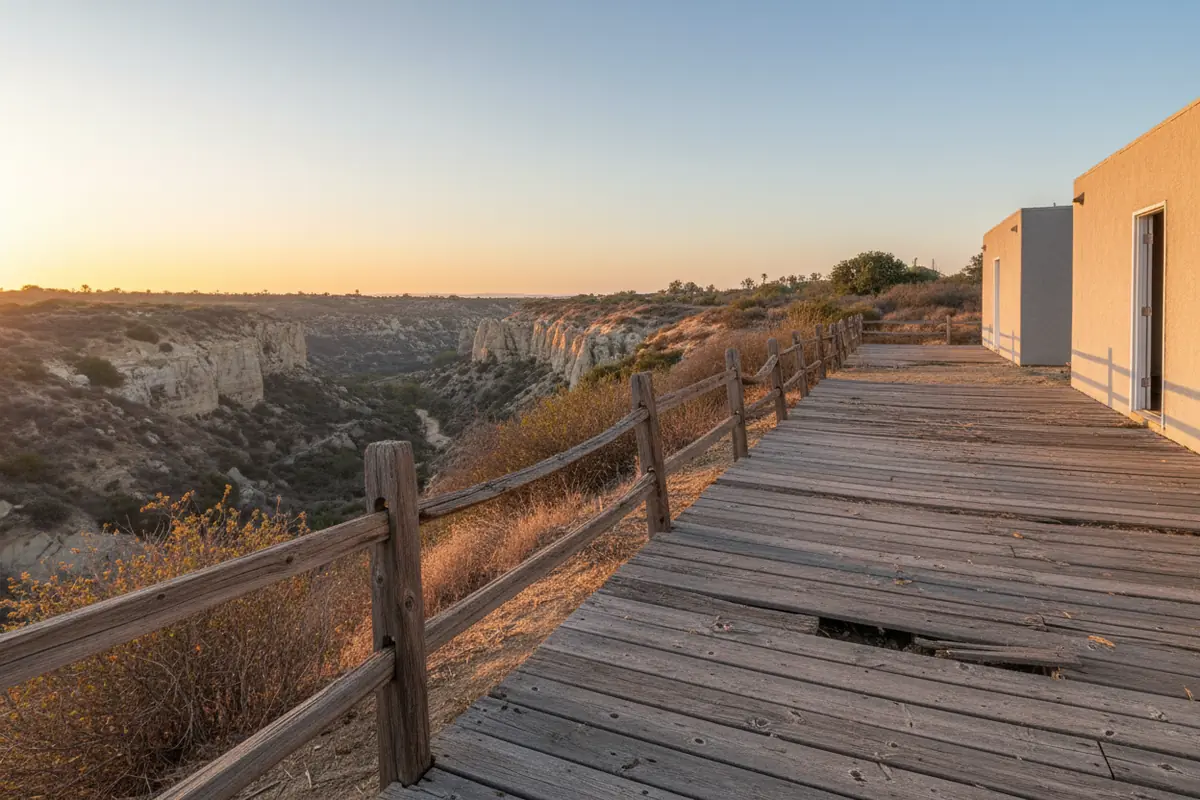
An old wood deck or fence in San Diego County is usually taken apart and hauled away as construction and demolition debris. The decking, framing, posts, rails, pickets, nails and hardware are removed and loaded out, and footings are dug up where the job calls for it. Treated or painted wood, concrete and metal may each need separate handling.
On this page
What Deck and Fence Removal Covers
Construction and demolition debris, often shortened to C&D debris, is what's left when something built gets taken apart: lumber, concrete, metal and the fasteners that held them together. A deck or fence becomes C&D debris the moment it comes down.
The materials usually include:
- Wood decking boards and the framing lumber beneath them.
- Fence posts, rails and pickets.
- Nails, screws, brackets and other hardware.
- Concrete footings that held posts in the ground.
That's different from general junk removal in San Diego, which mostly deals with household items loaded as they are. With a deck or fence, the structure has to come apart first, and the debris tends to be heavier and bulkier. Depending on the hauler and what the receiving facility accepts, wood, metal and concrete may be separated for recycling. This page applies to properties in San Diego County, California.
When Deck and Fence Removal Makes Sense
Most old decks and fences come out because of rot, termite damage or storm damage. Other common reasons include getting a property ready to sell, turning over a rental, clearing space for a remodel or replacement, or dealing with a structure that no longer meets local requirements. Clearing the yard is its own project; it doesn't commit anyone to selling or rebuilding.
Volume is usually what settles the question of who hauls it. A full deck or a long fence run produces more debris than a household trash bin or a personal vehicle is built to carry, and boards full of nails are awkward to move. Transfer stations (the facilities where loads are dropped off and sorted before heading to a landfill or recycler) and landfills each set their own drop-off rules, so a self-haul plan starts with the receiving facility's list of accepted materials.
The same yard may also have a swing set or trampoline on its way out; playset and trampoline removal raises many of the same questions.
Items That Need Special Handling
Pressure-treated lumber. This is wood chemically treated to resist rot and insects. Some older treated wood was made with preservatives that may be regulated as hazardous waste, depending on its age and the treatment used. Household hazardous waste means leftover household materials that are toxic, flammable or otherwise unsafe for regular trash. The receiving program or facility confirms how treated lumber from a particular structure is to be handled.
Paint and stain. Older finishes raise a similar question. Where lead-based paint is suspected, testing and disposal rules may apply, and the receiving program or facility is where those are confirmed.
Concrete footings and post anchors. These are heavy and are often handled separately from the wood.
Metal. Chain-link, wrought iron or aluminum may be recyclable as scrap, depending on the facility. Scrap metal removal covers that sorting in more detail.
What Affects the Price
No two deck or fence jobs come out the same, because the cost follows the structure and the site. A written quote reflects:
- The size of the structure: the linear footage of a fence or the square footage of a deck.
- The materials: wood, metal, concrete, or a mix.
- Whether footings have to be dug out or can stay.
- Access: gate width, stairs, slope, and the distance from the structure to the curb or truck.
- Whether materials arrive sorted or mixed together.
- Disposal fees at the facility that receives the load.
C&D debris is often priced differently from ordinary household junk because of its weight and because each material may have to go somewhere different. Disposal costs in San Diego County follow the fee schedules of the transfer stations and landfills that receive the debris, and those fees are set by each facility and vary.
How to Get Ready
Getting ready mostly means describing the structure clearly and checking a few things about the site. A typical checklist:
- Size. The linear feet of fence, the square footage of the deck, and its approximate height.
- Materials. The wood type if known, whether it looks pressure-treated, and any metal or concrete parts.
- Paint and stain. Any surface that may carry old or lead-based paint.
- Access. Gate width, where a truck can park, and any association or gated-community rules on access or work hours.
- Permits. Whether the city where the property sits, or the county for unincorporated areas, requires a demolition permit for removing a deck.
- Keepers. Planters, lights, gate hardware or boards someone may want to reuse, set aside before the work starts.
Two records help most: the building department's permit information for the property's city or the county, and the receiving facility's rules on treated and painted wood. With both in hand, a quote request is more complete.
Mistakes to Avoid
Skipping the permit check. Some jurisdictions in San Diego County require a demolition permit even for a residential deck, and removing one without a required permit can create code issues later.
Treating all wood as ordinary trash or recycling. Treated or painted wood may fall under separate disposal rules, and contaminated or treated wood may not be accepted where clean wood is.
Underestimating the volume. A deck or fence run produces far more debris than a household bin holds, so the hauling plan has to match the amount of C&D debris.
Blocked access. A crowded gate or parking area slows the work. Business properties with a fence or deck often raise the same access questions found in commercial junk removal.
Ready for a quote?
Add the items, the address and your timing.
Get my junk removal quoteFrequently asked questions
Do I need a permit to remove a deck or fence in San Diego?
It depends on where the property is. Permit rules vary by jurisdiction within San Diego County, and some require a demolition permit for removing a deck, while fence rules may differ. The building department of the property's city, or the county for unincorporated areas, confirms what applies.
What happens to the wood and debris after removal?
Deck and fence debris is typically hauled to a transfer station or a C&D recycling facility. Untreated wood may be separated for recycling, while treated or painted wood follows different rules. Where each material ends up depends on its condition and what the receiving facility accepts.
Is pressure-treated lumber from an old deck considered hazardous waste?
It may be. Some older treated wood may be regulated as hazardous waste depending on its age and treatment, as the special handling section explains. The receiving program or facility confirms how lumber from a particular structure is handled.
Can I put fence or deck debris in my regular trash or recycling bin?
Household bins are not sized for the volume of lumber, posts and concrete a deck or fence produces. The City of San Diego's Environmental Services page states that "the City of San Diego does not provide bulky item pickup or curbside pick-up services." Residents of other cities can check with their own city.
What information do I need to get a quote for deck or fence removal?
A quote draws on the structure's size, its materials, whether footings need to come out, how the site is reached, and any treated lumber or painted surfaces. The checklist under How to Get Ready lists each item.
How much does it cost to remove a fence in San Diego?
The cost depends on the fence's length and material, how deep the posts sit, access, and disposal fees at the receiving facility. A written quote based on those factors gives the figure for a specific property.