Maybe it is a refrigerator in the garage, a washer and dryer behind a laundry closet door, or a water heater that was just replaced. Each one leaves the property in its own way. Whoever is in charge of the property, whether an owner, a renter, a landlord, a property manager or an executor, decides what goes and what stays. From there, three things shape the job: what the appliance is, where it sits, and whether anything inside it needs special handling.
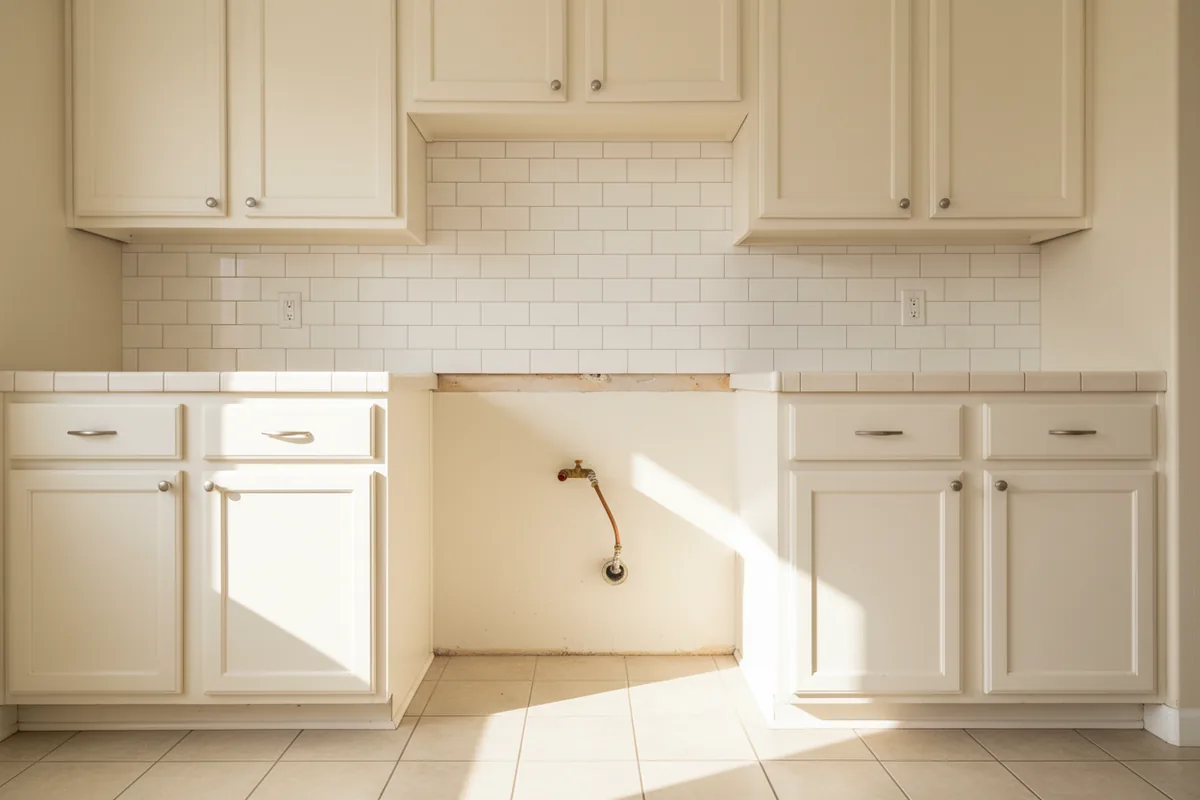
Appliance removal is a hauling service. A hauler moves large appliances, such as refrigerators, freezers, washers, dryers, stoves and water heaters, out of a home or building and takes them away for disposal, recycling or reuse. In San Diego County, the cost and the handling depend on the item, how it is reached, and what it contains.
On this page
Key Takeaways
- What it covers: Large household appliances, including refrigerators, freezers, washers, dryers, stoves, ovens, dishwashers and water heaters. Small countertop appliances may be handled differently.
- What shapes cost: The type and number of items, their weight, the access from the appliance to the curb, and how each item is disposed of.
- Special handling: Appliances with refrigerants, and some that count as electronic waste, are handled differently (see What This Service Covers).
- How price is confirmed: A written quote sets out the price based on the specifics of the job.
- Next step: A quote can be requested through San Diego Junk Removal with a description of the items, the access and the timing.
What This Service Covers
Appliance removal typically includes:
- refrigerators and standalone freezers
- washers and dryers
- stoves, ranges and wall ovens
- dishwashers
- water heaters
These are bulky items. They are too large or heavy for regular household trash and usually take two people or a hand truck to move. Appliance removal is one part of general junk removal in San Diego County, which also covers furniture, boxes and mixed household items.
Small countertop appliances. Microwaves, toasters and coffee makers sit in a different category. Some may count as electronic waste, or e-waste: discarded devices with circuit boards, screens or electronic parts. California treats e-waste separately from ordinary trash, and the county or city program that handles e-waste confirms whether a particular item falls under those rules.
Appliances with refrigerants. Refrigerators, freezers and air conditioners contain refrigerants, the chemicals that make them cool. Refrigerants call for special handling when the appliance is discarded. Listing these items in a quote request lets that handling be built into the scope of the job from the start, and the program or facility that receives the appliance confirms what its handling involves. The rest of this page refers back to this section rather than repeating it.
How Pickup Works, Step by Step
Here is how a typical appliance pickup runs from first contact to an empty space. Details vary from one hauler to another.
- Request a quote. The request describes each appliance, how many there are, where they sit, how they are reached, the timing wanted, and anything needing special handling, such as a refrigerator with refrigerant still in it.
- Receive a written quote. A hauler typically prices the job from those details. The written quote states what is included and how the price was set.
- Schedule the pickup. Availability is confirmed for the specific property, and the timing is set once the hauler confirms it.
- Move the items out. The crew typically carries or wheels each appliance from its spot to the vehicle. Stairs, narrow hallways, tight doorways and a long walk to the curb all affect how this step goes.
- The items leave the property. Each appliance goes to disposal, recycling or donation, depending on its condition and what the receiving facilities accept.
What Affects the Price
A single dryer in a driveway and a full kitchen on a second floor are priced differently. Each factor below is reflected in a written quote rather than a general range.
| Factor | Why it matters |
|---|---|
| Number and type of appliances | A single item and a full kitchen or laundry room differ in labor and vehicle space. |
| Weight and bulk | Heavy units, such as full-size refrigerators and water heaters, take more effort to move. |
| Access | Stairs, narrow doorways, elevators and the distance to the curb or loading point add labor. |
| Special handling | Refrigerant-containing appliances and any hazardous materials change how an item is handled. |
| Disposal method | Recycling, landfill and donation can each carry different costs at the receiving facility. |
| Timing | The requested date and any scheduling limits at the property can affect the quote. |
A written quote that names each appliance, the access conditions and the disposal method makes it straightforward to compare one quote against another.
What Happens to the Items
Once an appliance leaves the property, it generally follows one of three paths:
- Recycling. Appliances are largely metal, and metal can be recovered at facilities that accept appliances.
- Donation. A working appliance in good condition may be accepted by a donation outlet, if that outlet takes the item.
- Landfill. An item that cannot be recycled or donated may go to a landfill or a transfer station, a facility where waste is sorted and loaded for its final destination.
Refrigerant-containing appliances follow the special handling described under What This Service Covers.
Which path an item takes depends on its condition and on what each facility accepts, so a quote cannot promise that any appliance will be donated, recycled or kept out of a landfill. Other bulky household items work the same way; mattress removal in San Diego County, for example, runs under its own drop-off terms.
How to Get Ready
A little preparation keeps pickup day simple and gives the hauler an accurate picture of the job. The person in charge of the property decides what goes and what stays.
- Power disconnected. Each appliance is unplugged so it is ready to move.
- Gas and water shut off. A gas appliance is disconnected by the gas utility or a qualified plumber, who confirms how the work is done. Water lines to washers, dishwashers and water heaters are shut off and capped.
- Appliances emptied. Food, clothing, papers and anything stored inside or on top are taken out.
- Keepsakes checked. Papers, photos or small items sometimes slip behind or under appliances.
- Path cleared. Rugs, furniture and boxes are moved out of the hallways, doorways and stairs between the appliance and the exit.
- Access issues listed. Stairs, narrow passages, gated entry, elevator-only access and any homeowners association rules belong in the quote request.
- Parking checked. It helps to know where a vehicle can stop near the property and whether the building or association sets any limits.
- Paperwork handy. The written quote and the scheduling confirmation are useful to have on pickup day.
Decisions about other belongings in the home can wait. Clearing out appliances does not commit anyone to a larger cleanout.
Service Area
This site's service area is San Diego County, California. Requests may come from San Diego, Chula Vista, El Cajon, Escondido, Oceanside, Vista, Santee, La Mesa, National City, Lemon Grove, Poway, Lakeside, Spring Valley, Bonita, Coronado, Imperial Beach, Del Mar, Solana Beach, Encinitas, Carlsbad, San Marcos and Ramona. Availability is confirmed for each property. Addresses within the City of San Diego have their own city collection rules, described under junk removal in San Diego. Properties outside San Diego County fall outside this site's area.
One helpful detail before requesting a quote is the appliance's model label, usually inside the door or on the back panel. It identifies the appliance's type and whether it contains refrigerant. If the property has a homeowners association, a copy of its move-in and move-out rules also helps.
Ready for a quote?
Add the items, the address and your timing.
Get my junk removal quoteFrequently asked questions
How much does it cost to remove an appliance in San Diego?
The cost depends on the type and number of appliances, their weight, the access to the curb, any refrigerant handling, and the disposal method. A written quote based on those specifics sets the price. The table under What Affects the Price explains each factor.
Do people collect refrigerators for free in San Diego?
Some programs may accept refrigerators or freezers, but whether one does, and on what terms, is for that program to state. A utility or the city or county recycling office confirms what is available for a particular address. Free pickup is not assured.
How do I dispose of large appliances in San Diego?
Large appliances can be taken away by a hauler, or they may go through a city or county program if the item and the address are eligible. Appliances with refrigerants call for special handling. The relevant city or county office confirms which programs apply.
How do I get rid of a microwave in San Diego?
A microwave may count as electronic waste, which California handles separately from ordinary trash. The county or city e-waste program confirms how it applies to the item. A hauler may also include a microwave in a larger load, as set out in a written quote.
What appliances does this service accept?
The core items are refrigerators, freezers, washers, dryers, stoves, ovens, dishwashers and water heaters. Small countertop appliances may be included in a mixed load. Listing any items with refrigerants or hazardous materials in the quote request helps a hauler plan for their handling.
Do I need to disconnect my appliances before pickup?
Yes. Appliances are unplugged, and their water and gas lines are shut off before pickup. A gas line is disconnected by the gas utility or a qualified plumber, who confirms how the work is done. A clear path to the exit also helps.
What happens to appliances after they are removed?
Removed appliances generally go to recycling, to donation if they work and a donation outlet accepts them, or to a landfill. The path depends on each item's condition and on what each facility accepts. No outcome is promised.
Can a junk removal service handle appliances with refrigerants?
Appliances with refrigerants, such as refrigerators, freezers and window air conditioners, call for special handling when discarded. Naming them in the quote request lets that handling be included in the scope and the price. The receiving facility confirms what the handling requires.