Your washer or dryer might be in a garage, a hall closet, a basement or a second-floor laundry room. How it gets out is mostly a practical question. It comes down to how the appliance is connected, how heavy and wide it is, and what lies between it and the curb. The sections below take those points one at a time.
An old washer or dryer in San Diego County usually leaves in three steps. It is disconnected from its water, gas or electric supply, carried out along a clear path, and then loaded and hauled away. A city bulky-item pickup, or a retailer take-back when a new unit arrives, may also be an option.
On this page
What Washer and Dryer Removal Covers
For a washer or dryer, removal typically covers three things. The appliance is disconnected from its supply, carried out of the space, and driven off the property. The how junk removal works overview describes the general steps of a pickup.
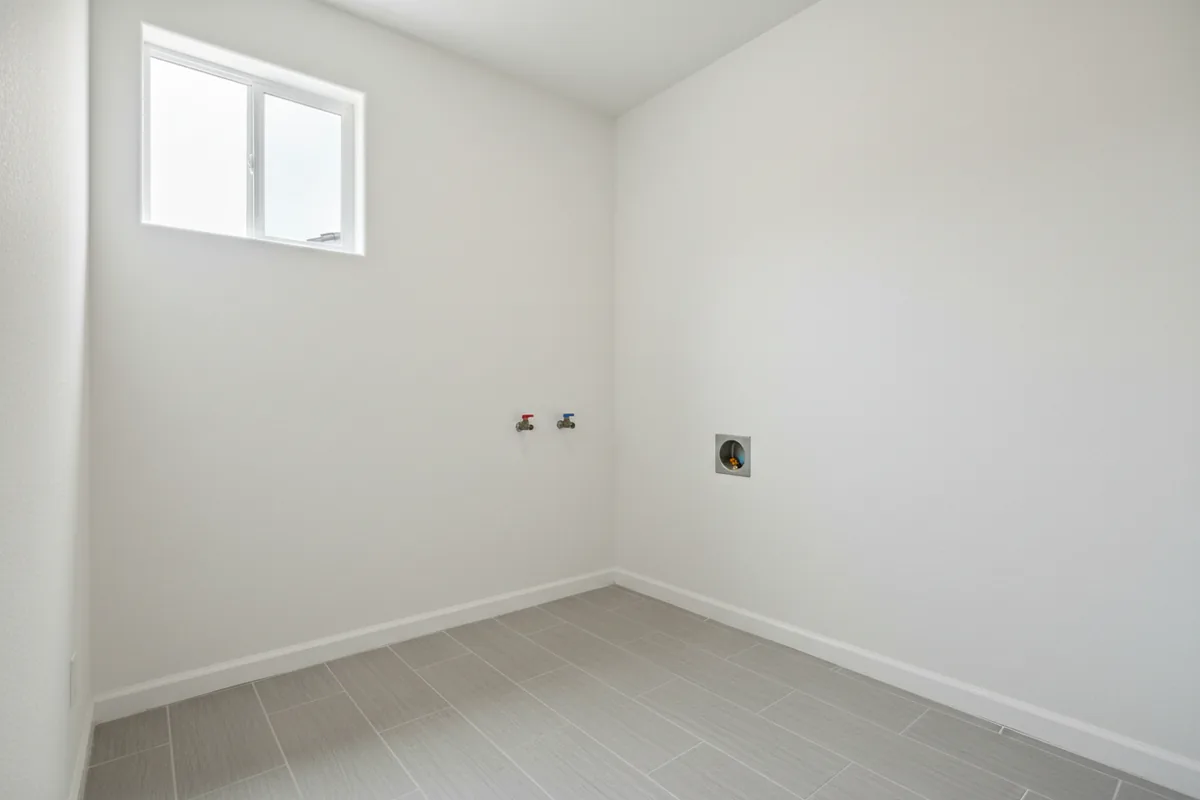
Washers and dryers are large and heavy, and each one has to be physically disconnected before it can move. How that works depends on the type:
- Top-load and front-load washers connect to hot and cold water lines and a drain hose.
- Electric dryers plug into a dedicated outlet and vent to the outside.
- Gas dryers connect to a gas supply line, so they add a gas-line disconnection step.
When Removal Makes Sense
Removal usually comes up when something about the laundry space is changing. A new pair may be on the way. A rental may be turning over between tenants. A relative's home or another property may be getting cleared out. A laundry room may be getting remodeled, or someone may be moving and leaving older units behind.
A washer and dryer can go on their own. They can also be part of a larger appliance pickup or a cleanout, where a whole garage, room or home is cleared at once. The junk hauling overview describes how that kind of combined job works. Whoever is responsible for the property decides what goes and what stays. If someone else may want the appliances, that question is often settled first.
Items That Need Special Handling
Washers and dryers do not carry refrigerant the way refrigerators do. Their connections still need care.
Gas dryers. Disconnecting one starts with shutting off the gas supply valve at the wall. A qualified plumber or gas technician confirms that the line is safely capped. A hauler is not presumed to do this step.
Electric dryers. The dryer is unplugged from its dedicated outlet. Whether the power cord stays with the dryer or is removed depends on the arrangement for the job.
Washers. The water shutoff valves are closed before the supply hoses come off. The drain hose is then freed from the standpipe or sink.
Where the Appliance Goes After Pickup
Washers and dryers are mostly metal, which makes them candidates for appliance recycling. Whether a given unit is actually recycled depends on its condition and on what the receiving facility accepts, so it is not assured. When recycling is not available for a unit, the disposal route may be landfill instead, and that difference is one of the factors in a quote.
Where a city or the county runs a bulky-item or appliance program, what it accepts, who is eligible and any fee are set by that program and stated on its own pages. The City of San Diego guide describes what to check about city pickup.
What Affects the Price
The cost of a washer and dryer removal follows the details of the job. These factors shape a quote:
| Factor | Why it matters |
|---|---|
| Number of appliances | A washer alone, a dryer alone, or both |
| Dryer type | A gas dryer adds a disconnection step |
| Location in the home | A garage, a second floor or a tight laundry closet |
| Access | Stairs, narrow hallways, an elevator, and parking for a truck |
| Distance to the loading point | How far the appliances are carried to the curb or truck |
| Disposal route | Recycling or landfill, depending on the facility |
| Other items | Whether more is removed on the same visit |
Once the specifics are known, the cost is set out in a written quote. The junk removal pricing guide explains how these factors fit together in general.
How to Get Ready
A little preparation in the laundry area keeps the job simple. Some details, such as who handles the gas or hose disconnection, can wait until the job is confirmed.
- The washer is off and unplugged. Both water valves are closed. The hoses either come off beforehand, or the hauler confirms whether disconnection is included.
- The gas valve on a gas dryer is shut. Whether the hauler or a gas technician handles the line itself is settled in advance.
- An electric dryer is unplugged. The outlet stays as it is unless the arrangement says otherwise.
- The path out is clear. Obstacles are moved, doors are propped open and flooring is covered where needed.
- Access conditions are noted. Stairs, narrow halls, gate codes, and homeowners association rules on truck parking or pickup hours are written down.
- The details are at hand. The model and rough dimensions are ready for the quote request.
Many people find it helpful to look at the city or county bulky-item page for the property's address and to jot down the access details from the laundry area to the street.
Mistakes to Avoid
Water left in the drum is easy to overlook. A drain or spin cycle beforehand empties it, so the washer is lighter and less likely to spill when tilted.
A few other missteps can complicate the job:
- Leaving the gas valve open on a gas dryer before it is disconnected.
- Pulling washer hoses before the water supply valves are closed.
- Assuming the hauler handles gas-line disconnection without asking first.
- Skipping a measurement of doorways and stairwells. An appliance that does not fit through a door changes the job.
- Overlooking homeowners association or building rules on truck access, parking or pickup hours.
The general junk removal guide covers other items that may leave on the same visit.
Ready for a quote?
Add the items, the address and your timing.
Get my junk removal quoteFrequently asked questions
What are the ways to get rid of an old washer or dryer in San Diego?
The main routes are a junk removal hauler, a city or county bulky-item pickup, and a retailer take-back when a new unit is delivered. Which one fits depends on the appliance's condition, the timing, access, and what each program's own page says it accepts.
Do haulers pick up washers and dryers for free in San Diego?
A hauling service's cost depends on the job and is set out in a written quote. Some city bulky-item programs handle large appliances, and that city's program states its own terms and any fee.
Can a washer or dryer go in a regular trash bin or dumpster?
A washer or dryer is a bulky item, meaning something too large for a standard household trash cart. Bulky items usually leave through a bulky-item pickup, a hauler, or an appliance recycling route. The local program confirms its rules.
Who disconnects the washer and dryer before removal?
That depends on the arrangement. Washers need the water shut off and the hoses removed. Electric dryers are unplugged. Gas dryers need the gas shut off and the line capped, which a plumber or gas technician confirms. Whether the hauler does any of this is agreed in advance.
What affects the cost of washer and dryer removal?
The number of appliances, the dryer type, where they sit in the home, access and stairs, the distance to the curb, the disposal route, and any other items all shape the price. The table above lays these out, and the cost appears in a written quote.
Are washers and dryers recycled when they are hauled away?
They are largely metal, so they can be candidates for recycling. Whether a particular unit is recycled depends on its condition and what the receiving facility accepts. That is not assured.