The old heater may be standing in a garage after a replacement, tucked into a closet, or waiting among other items in a home or rental being cleared. How it leaves depends on its type, whether it is ready to move, how it is reached, and what goes out with it. The sections below take each of those in turn.
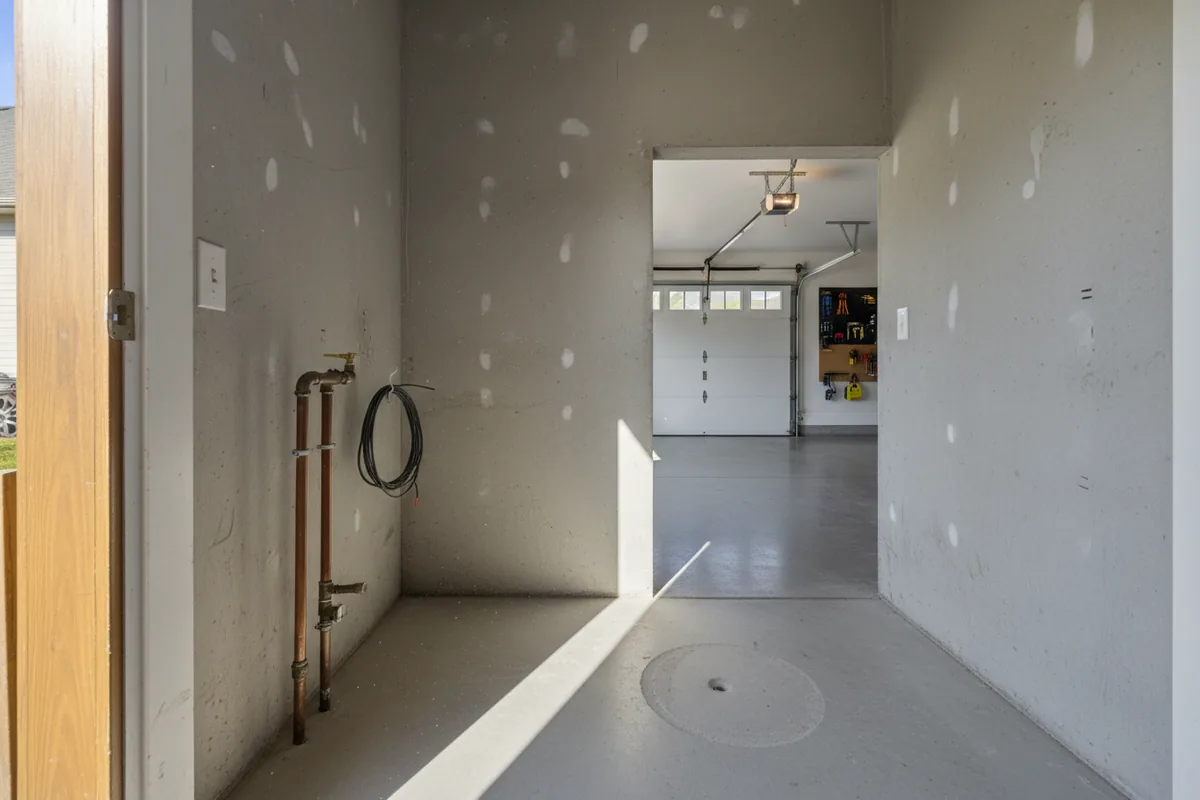
An old water heater in San Diego County, whether a tank or a tankless unit, is usually hauled away as a single heavy item once it has been disconnected and drained. Removal covers carrying the unit out and taking it away. It does not cover the plumbing, gas or electrical work, and the price is set out in a written quote.
On this page
What Water Heater Removal Covers
Junk removal is the work of carrying unwanted items out of a property and taking them away; hauling is the transport part of that work. For a water heater, removal means the unit is lifted, carried to a truck and driven off the property for disposal or recycling.
Both kinds of units fall under this:
- Tank-style water heaters, which hold and heat a stored supply of water.
- Tankless, or on-demand, water heaters, which heat water as it flows and are mounted on a wall.
Removal starts after the unit is out of service. Disconnecting the gas line, the electrical supply or the water lines, and installing a replacement, is plumbing or contractor work, separate from hauling. In practical terms, "ready for pickup" means the unit is disconnected, drained and free to be moved, with nothing still attached to the wall, the floor or a supply line. The rest of this page refers back to that condition simply as "ready for pickup."
A water heater is one kind of household appliance, and appliance removal in San Diego County follows the same general pattern for other large units. Pickups take place across San Diego County, and whether one fits a particular property is confirmed for that property.
When Water Heater Removal Makes Sense
Separate hauling usually comes up when the old unit has been replaced and is still on the property. Common points where it arises:
- After a plumber or HVAC contractor installs a new unit and leaves the old one behind.
- After an owner swaps the unit themselves and has no way to transport a heavy tank.
- During a garage cleanout, home cleanout or rental turnover, when the heater is one item among many. A cleanout is the clearing of a whole space, such as a garage or a house, rather than a single item.
- When a landlord, property manager or executor is clearing a property and the old heater is part of what has to go.
In a larger clearing, the heater often goes out with furniture, boxes and other appliances under general junk removal in San Diego County. After a remodel, it may leave alongside drywall, cabinets and fixtures as part of construction debris removal. A property manager clearing a business space may fold it into commercial junk removal.
Whether a permit is needed to install the replacement is a separate question from removing the old unit. The city or county office that covers the property confirms permit requirements for an installation.
Items That Need Special Handling
Material is the first thing that sets a water heater's path after it leaves. A standard tank water heater is built largely of steel, and a tankless unit contains copper and other metals. Whether either is recycled as scrap metal depends on the unit's condition and on what the facility receiving it accepts, so no particular outcome is assured.
Heat-pump water heaters are different because some of them contain refrigerant, the chemical used to move heat in the same way a refrigerator does. Federal regulations at 40 CFR 82.155 ("Safe disposal of appliances") say that persons recovering refrigerant from a small appliance for disposal must do so "using recovery equipment that meets the standards in § 82.158(e) through (g)." The federal agency that administers that rule confirms how it applies to a specific unit. The model label on the unit, or its manual, usually shows whether it is a heat-pump model, and that detail belongs in the quote request because it can change how the unit is disposed of. This section is the main reference for heat-pump units; other sections point back here.
A tank also holds what has collected inside it over the years: sediment at the bottom, an anode rod running through the tank, and whatever water remains. Draining the tank before pickup keeps that water from spilling during loading. Questions about how any residue is classified for disposal are for the program or facility that receives it.
| Unit type | What it is made of or contains | What to note in a quote request |
|---|---|---|
| Tank-style | Largely steel, with sediment and an anode rod inside | Tank size, whether it is drained |
| Tankless | Copper and other metals | Where it is mounted |
| Heat-pump | May contain refrigerant | That it is a heat-pump model |
What Affects the Price
No single price fits every water heater. The cost of a removal is set out in a written quote for the specific job, and it turns on a handful of factors:
- Type and size of the unit. A tank's gallon capacity, shown on its model label, affects how heavy it is; a larger tank weighs more and takes more effort on stairs and tight turns. A tankless unit is smaller and lighter but may be wall-mounted.
- Access. A unit standing in an open garage is reached differently from one in a hall closet, an attic or a basement, or one that sits behind narrow doorways.
- Stairs. Carrying a tank up or down a flight of stairs takes more effort and care than rolling it across a flat floor.
- Distance to the truck. A longer path from the unit to the curb, driveway or loading point adds to the work.
- Alone or with other items. A water heater picked up on its own is priced differently from one that goes out as part of a larger load.
- Special handling. A heat-pump unit may need different disposal, as described under Items That Need Special Handling.
Describing these points clearly in the quote request gives the quote something concrete to rest on. A photo of the unit and its path to the door often helps show the access.
How to Get Ready
Preparation keeps the pickup simple, and most of it happens near the unit itself, in the garage, closet or utility room where it stands. A typical sequence:
- The unit is made ready for pickup. A qualified plumber or contractor shuts off and disconnects the gas, electric and water supply before a pickup is scheduled.
- The tank is drained fully. Remaining water adds weight and can spill as the unit is tipped and carried.
- A path to the exit is cleared. Boxes, bikes and stored items between the unit and the nearest exterior door or driveway come out of the way.
- Gate codes and building access are noted. A gated entry, an elevator-only building or a locked side yard goes into the quote request.
- Parking and association rules are checked. Parking limits on the street or rules set by a homeowners association are worth knowing in advance, since they affect when and where the truck can stop.
- What stays is set apart. The new unit, tools, and any fittings or parts to be kept are separated from what is leaving.
Nothing about the old heater has to be decided in a rush. A drained, disconnected unit can sit safely in a garage while the rest of the space is sorted and a pickup time is arranged.
Common Missteps
Scheduling the pickup before the unit is disconnected is the misstep that most often stalls a removal, because hauling companies generally do not perform plumbing, gas or electrical disconnection. Other points that complicate a pickup:
- Leaving water in the tank. A full or partly full tank is far heavier and can spill on floors and stairs.
- Assuming the installer hauls it away. Some plumbers and HVAC contractors take the old unit and some do not, and that is worth confirming when the replacement is arranged.
- Setting the unit at the curb. The City of San Diego's Environmental Services page states: "Please note that the City of San Diego does not provide bulky item pickup or curbside pick-up services." A bulky item is a large household item, such as an appliance or a couch, that does not fit in a regular trash cart.
- Moving a tank alone. Tank water heaters are heavy and awkward, and shifting one without help risks injury and damage to floors and walls.
The model label on the old unit shows its type and size. That detail, along with any access limits, rounds out a quote request.
Ready for a quote?
Add the items, the address and your timing.
Get my junk removal quoteFrequently asked questions
How much does it cost to have a water heater removed?
No fixed price applies to every job. The cost depends on the unit's type and size, how it is reached, stairs, the distance to the truck, and whether it goes out alone or with other items. A written quote sets the price for a specific removal.
Do you need a permit to install a water heater in San Diego?
Installation permits are a separate question from removal. The city or county office covering the property confirms whether a permit applies to installing a replacement. This page covers hauling the old unit away.
What is the average lifespan of a water heater?
Lifespan varies from one unit to another, shaped by its age, the local water conditions and how well it has been maintained. A unit that has been flushed and serviced regularly generally fares differently from one that has collected years of sediment. The manufacturer's documentation and a qualified plumber are the sources for how long a particular water heater is expected to last.
Can a homeowner replace their own water heater in San Diego?
The answer turns on local permit and code requirements, because a replacement involves gas, electrical and water connections rather than the unit alone. The relevant jurisdiction confirms what applies. Whoever does the replacement, removal starts once the old unit is ready for pickup.
How is an old water heater recycled in San Diego County?
Tank units are built largely of steel, and tankless units contain copper and other metals. Whether either is recycled as scrap depends on the unit and on what the receiving facility accepts. Heat-pump models are covered under Items That Need Special Handling.
Does the City of San Diego pick up old water heaters at the curb?
The City of San Diego's Environmental Services page states that the City "does not provide bulky item pickup or curbside pick-up services." A junk removal pickup is arranged directly from the property instead.
What should I do with a water heater that contains refrigerant?
Noting that it is a heat-pump model in the quote request is the first step. Federal regulations at 40 CFR 82.155 call for "recovery equipment that meets the standards in § 82.158(e) through (g)" when refrigerant is recovered from a small appliance for disposal, and the federal agency that administers that rule confirms how it applies to a specific unit.