The house might be one being left after a move, a parent's home after a death, a rental between tenants, or a property being readied for what comes next. Whatever the reason, the same four questions come up: what goes, what stays, what needs special handling, and what shapes the cost. What happens to the house afterward is a separate decision, and clearing it does not require selling it.
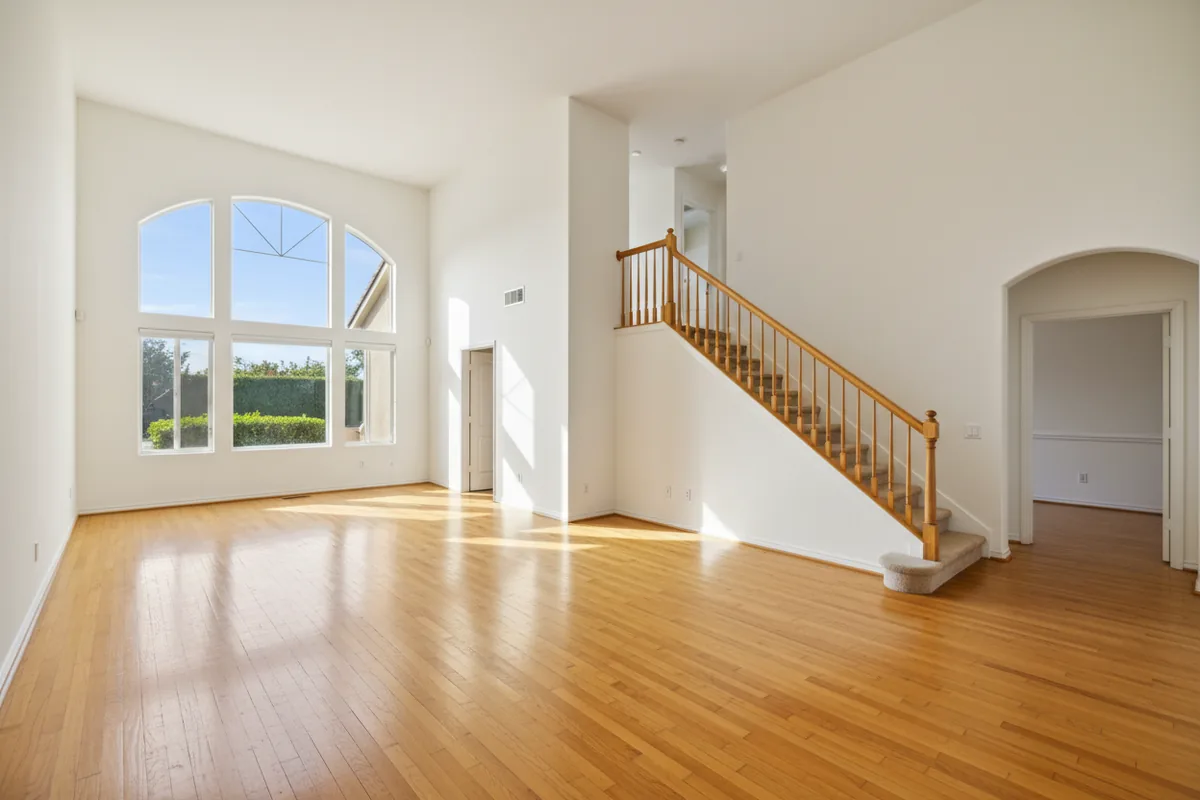
A whole-house cleanout in San Diego County clears every room, the garage and the yard in one coordinated job. A hauler removes the furniture, boxes, appliances and debris the owner or person in charge has marked to go. Items such as paint, electronics and mattresses are sorted out first because they may need a separate disposal channel.
On this page
What a Whole-House Cleanout Covers
The defining feature is breadth: the whole property is cleared of unwanted belongings in a single effort, rather than one room at a time. Hauling is the work of loading those items and carrying them off the property.
That breadth is what sets it apart from ordinary junk removal in San Diego County, which usually covers a single item or one part of a property, such as a garage or a back bedroom. A partial cleanout sits in between: several areas cleared, others left alone.
The material in a whole-house job typically falls into a few groups:
- Furniture, from sofas and beds to dining sets and shelving.
- Appliances, including refrigerators, washers and dryers.
- Clothing, linens and other textiles.
- Boxes, papers and stored household goods.
- Green waste, meaning yard trimmings, branches and other plant material.
- Construction and demolition debris, meaning drywall, lumber, tile or concrete, where renovation work came first.
- Electronics, such as televisions, computers and monitors.
A cleanout clears items. Selling them, appraising them, or deciding questions about belongings that carry legal or estate weight are separate decisions made by the people responsible for them.
When a Whole-House Cleanout Makes Sense
Four situations tend to lead to this kind of job.
- A move. A household relocating across town or out of state leaves behind what will not fit or is not wanted.
- An inherited or estate property. A family member or executor clears a home after a death or during estate settlement.
- A rental turnover. A landlord or property manager clears what a departing tenant left before the next tenant arrives.
- Pre-sale preparation. An owner who has already decided to sell clears the home before listing.
None of these requires a sale. Clearing the house is one step; what to do with the property is another, decided on its own terms.
In an estate setting, executors and family members often coordinate the cleanout alongside other estate tasks rather than as a replacement for them. Legal and financial questions about the estate belong with an attorney or tax professional, not with a hauler.
Items That Need Special Handling
Most of a home's contents leave together, but a few categories usually take a different route. Knowing them by name before planning starts keeps them from ending up in the general load.
| Category | What it means | Examples |
|---|---|---|
| Household hazardous waste | Household products that are toxic, flammable or corrosive | Paint, solvents, batteries, pesticides, fluorescent bulbs |
| Electronic waste | Discarded devices with screens or circuit boards | Televisions, computers, monitors |
| Mattresses | Mattresses and box springs | Beds of any size |
| Construction and demolition debris | Building materials left from renovation or repair | Drywall, concrete, lumber, tile |
| Green waste | Plant material from the yard | Trimmings, branches, leaves |
| Bulky items | Large household items too big for a regular trash bin | Sofas, mattresses, large appliances |
San Diego County and its cities each have their own programs for several of these categories, and the details vary by material and by city. Building debris and yard waste are typically handled apart from household junk. They may go to a transfer station (a facility where waste is sorted and reloaded for disposal or recycling) or to a facility that recycles that material. For mattresses, the mattress removal page sets out drop-off terms and when a haul-away may fit.
For any given item at a particular property, the county or city program for that material, or the hauler giving the quote, confirms how it is handled.
What Affects the Price of a Whole-House Cleanout
The amount of material comes first. Volume and weight together decide how much loading, hauling and disposal the job involves.
Other factors build on that:
- The number of rooms and outdoor areas being cleared.
- The mix of contents: ordinary household goods compared with the categories in the table above.
- Access: stairs, narrow hallways, an elevator, a gated community, and the distance from each room to the curb or truck.
- How each item is disposed of, including any material that needs a separate channel.
Materials routed separately may carry their own disposal charges, set by the program or facility that receives them.
Layout matters as much as contents. A single-story house in Chula Vista with a wide driveway is a different job from a second-floor unit in El Cajon reached by an outside stairway, even if the two hold similar belongings. That is why the price for a specific property is set out in a written quote.
How to Get Ready for a Whole-House Cleanout
Items with sentimental or legal significance come out first. Everything else can wait until those are safe.
- Set aside what stays. Items to keep, donate or sell are moved to one clearly marked room or off the property before the cleanout date.
- Gather important papers. Deeds, wills, tax records, bank statements and photographs are collected from every room, including the garage.
- Remove medications and valuables. Prescriptions, jewelry, cash and keys are taken out so they are not mixed in with what leaves.
- Group items that need separate routing. Anything from the table above is gathered in one place so it can be noted in the quote request.
- Check every storage space. Attics, crawl spaces, closets, sheds and detached garages are opened and looked through.
- Note access details. Parking, stairs, a gate code and elevator availability are written down for the quote.
- Check association and street rules. A homeowners association or the city may have rules about a bin or container placed in a driveway or the street.
Decisions about a relative's belongings are the family's to make, at whatever pace they need. A cleanout date can be set once the keep pile is settled.
One useful next step is a short list of those separately routed items, compared against the relevant San Diego County or city program page for current drop-off or pickup options, so the quote request reflects them.
Mistakes to Avoid
The most common source of trouble is hazardous material left unsorted. Paint, solvents and batteries mixed into general household junk may need to be pulled back out, because these categories are handled separately in California.
A few other missteps come up often:
- Overlooking storage areas. Attics, crawl spaces, detached garages and sheds add volume that a quote did not account for.
- Leaving documents and valuables in place. Papers, medications or jewelry found after the work has started complicate the job and can be lost.
- Leaving out access details. A narrow driveway, a second-floor unit or a gated entrance affects both how the work is done and the price.
- Assuming one load fits everything. Separately routed items are easier to send to the right place when they are identified before the cleanout date.
Each of these is easier to sort out in the planning stage than in the middle of the job.
Ready for a quote?
Add the items, the address and your timing.
Get my junk removal quoteFrequently asked questions
How do whole-house cleanouts work?
A quote request describes the rooms, outdoor areas, amount and kinds of items, and access. On the agreed date, a hauler removes the items marked to go. Special-handling items such as household hazardous waste, electronics and mattresses are routed through separate channels, as the program or facility for each material confirms.
How do estate cleanouts work?
An estate cleanout clears a home after a death or during estate settlement: furniture, clothing and belongings, sometimes stored for many years. It runs alongside the legal and financial estate tasks, not in place of them. Questions about the estate itself belong with an attorney or tax professional.
How do I dispose of large items in San Diego?
Large items can be picked up from the property by a hauling company, or taken to a program or facility that accepts them. Some cities and San Diego County run their own programs for bulky items. The property's city or county confirms whether it offers a bulky-item pickup and what it accepts.
How can I get rid of my old couch?
A hauler can collect it from the home, or a donation organization may accept it if it is in good condition. Each organization sets its own acceptance policy, so checking with it directly confirms whether it will take a particular sofa. A city bulky-item program may be another route.
What items cannot go in a standard junk removal load?
Household hazardous waste, electronic waste, mattresses and construction and demolition debris are the main categories that may need separate handling, as the table above describes. The relevant county or city program page gives current disposal options for each.
Do I need to be present during a whole-house cleanout?
Someone provides access to every area being cleared and confirms which items go. Whether that is the owner or a representative, such as a family member or property manager, depends on the arrangement made when the quote is confirmed.
What is the difference between junk removal and a whole-house cleanout?
Junk removal usually covers a single item or part of a property. A whole-house cleanout covers every room, the garage and the outdoor areas in one coordinated effort. The scope differs, and so does the quote.
What should I do with items I want to keep before a cleanout?
Typically, they are moved to one clearly marked area or off the property before the cleanout date. Documents, medications and valuables are gathered from every room, and special-handling items are grouped separately. The clearer that separation, the simpler the work goes.