The shed may be leaning after years of weather, or it may simply be in the way of a new patio, a garden or a rental turnover. Either way, three things decide how it leaves the property: what it is built from, what is still stored inside, and how easily the backyard can be reached. Each section below takes one of those questions in turn, so the decisions that matter come first and the rest can wait.
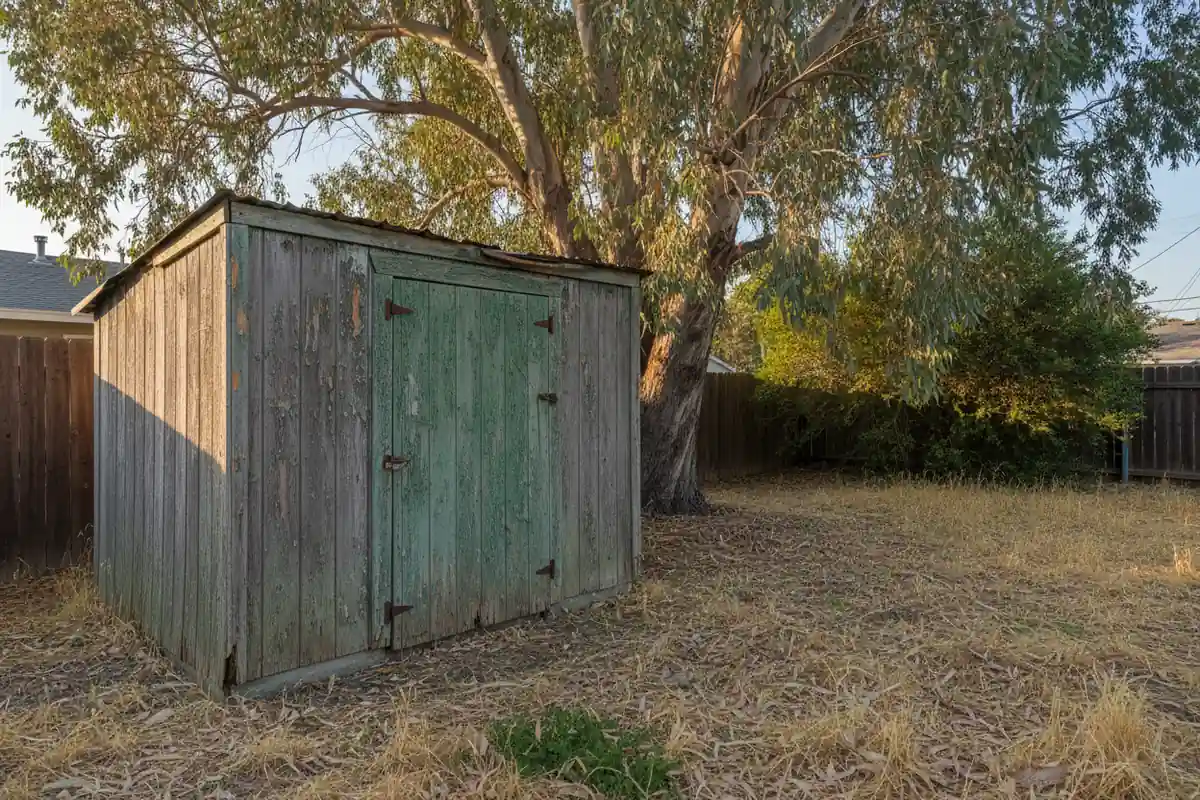
A backyard shed in San Diego County is usually removed in two parts. First, the structure is taken down. Then the debris is sorted and hauled away by material. Paints, fuel, chemicals and electronics stored inside are kept apart for separate handling, and the local building department confirms whether the job needs a permit.
On this page
What Shed Removal Covers
Shed removal means taking the structure itself down and hauling away what is left. That makes it a different job from junk removal in San Diego, which hauls loose items such as boxes, furniture and old tools. It is also narrower than general construction and demolition debris (C&D debris) hauling, which carries away the building materials left after demolition or remodeling work.
Once a shed is down, the pile usually holds a few different materials, and each one tends to come apart and travel differently:
- Wood framing and siding. The bulk of most older sheds.
- Metal panels. Common on prefab sheds, and they can overlap with scrap metal removal.
- Plastic or resin panels. Lighter, and typical of newer kit sheds.
- Composite or asphalt roofing. Heavier than it looks once it is torn off.
- Concrete footings or slabs. Often the heaviest part of the job, when a shed sits on one.
That mix decides how the debris gets sorted and where each part goes for disposal or recycling. The facilities that receive the debris set what they accept.
When Shed Removal Makes Sense
Hiring out the work tends to fit these situations:
- The shed is structurally unsound or storm-damaged.
- It is too large or too heavy to take apart safely by hand.
- It holds more debris than a household trash bin can take.
- The property is being cleared for renovation, a rental turnover or a sale.
San Diego County's unincorporated areas and each of its cities set their own rules about what may go in residential bins. A hauler who knows the local disposal routes sorts the debris to match the routes it uses. A backyard with a swing set next to the shed may also call for playset and trampoline removal as part of the same job.
Items That Need Special Handling
This section is the main reference for what stored items need separate handling; the checklist and FAQ further down point back to it.
Sheds often store items that cannot go out with the lumber. Household hazardous waste (HHW) means leftover products that are dangerous to throw away with regular trash, such as paints, solvents, pesticides, fertilizers, pool chemicals and propane tanks. Electronic waste (e-waste) means discarded devices with circuit boards or batteries, such as old televisions, radios or power-tool chargers.
HHW and e-waste go through separate streams from C&D debris, which is why these items are flagged in a quote request. The program or facility that receives these items confirms where they go and what it accepts.
Concrete footings and asphalt roofing are C&D debris too. They are still handled apart from wood framing, because they are heavier and are often sent to different facilities. Old appliances stored in a shed are their own category, and appliance removal explains how they are handled.
What Affects the Price
This page gives no price or price range. A written quote sets the figure once the structure, the amount of debris, the access and any special-handling needs are confirmed. In practice, the job grows or shrinks with a handful of things a crew sees when it walks the backyard:
| Factor | Why it matters |
|---|---|
| Size and material | Wood, metal and resin come apart differently and go to different places |
| Concrete footing | Breaking up and hauling concrete adds labor and heavy debris |
| Backyard access | Gate width, stairs and slope change how debris is carried out |
| Distance to the truck | A longer carry from the shed to the curb adds work |
| Special-handling items | HHW, e-waste or appliances need separate handling |
| Disposal fees | The fees facilities charge for C&D debris are passed into the job |
A small resin shed near a wide gate and a wood shed on a footing behind a side yard can look similar in a photo and still be very different jobs. The clearer the description in the quote request, the closer the written quote can match the actual job.
How to Get Ready
A little preparation in the backyard keeps the day of the pickup simple.
- Empty the shed. Shed removal covers the structure, so any contents are cleared first or arranged as a separate pickup.
- Set aside keepsakes and papers. Old photos, records and family items sometimes end up stored in sheds, and they are the owner's to sort before anything leaves.
- Group the special-handling items. The items described in Items That Need Special Handling are kept together and apart from the rest.
- Measure the gate. Note the width of the gate and any steps or slope between the shed and the street.
- Check association rules. An HOA or a gated community may set rules for contractor access and debris staging.
- Check street parking. Note any restrictions where a truck would stop.
- Confirm the permit question. The building department that covers the property answers whether taking the shed down needs a permit.
A practical next step is to find the building department page for the property's city, or the San Diego County Planning and Development Services page for unincorporated areas. That page answers whether a permit applies and what an application covers, and it is the record to locate before a removal date is set.
Mistakes to Avoid
These missteps tend to slow a shed removal down:
- Skipping the permit check. The building department that covers the property decides whether a permit applies. That question is settled before demolition starts, not after.
- Mixing flagged items into the debris. Unflagged chemicals or fuel found in the pile can stop the job until they are separated.
- Assuming the contents are included. Loose items inside the shed are a separate scope, the same as furniture removal from a house.
- Scheduling before confirming access. A narrow gate or a street parking restriction found on the day can delay the work.
Ready for a quote?
Add the items, the address and your timing.
Get my junk removal quoteFrequently asked questions
How do I dispose of a large shed in San Diego?
A large shed is taken down, and the debris is sorted by material and hauled away. Wood, metal and resin often go to different facilities. Paints, chemicals, propane and electronics stored inside are separated first, and the program or facility that takes them confirms where they go.
Do I need a permit to remove a shed in San Diego County?
It depends on the shed and on where the property sits. The City of San Diego, the unincorporated county and each incorporated city set their own rules. The building department for the property, or San Diego County Planning and Development Services for unincorporated areas, confirms whether a permit applies before demolition begins.
How do I get a shed removed from my property?
The usual order is to confirm the permit question, clear the shed's contents, set aside any HHW and check access from the shed to the street. A quote request then describes the shed's size and material, the access, and any items that need special handling.
What is included in shed removal — does it cover the contents too?
Shed removal covers the structure itself: the framing, panels, roofing and typically the footing. Items stored inside are a separate scope. They can be cleared beforehand or listed in the quote request as a separate pickup.
What happens to the materials after a shed is demolished?
Wood, metal, concrete and roofing are C&D debris. They are sorted for disposal, recycling or both, depending on the material and on what the receiving facilities accept. HHW and e-waste go through separate streams. Where a given piece ends up is not assured.
What affects the cost of shed removal in San Diego?
Cost depends on the shed's size and material, any concrete footing, backyard access, the distance to the truck, any special-handling items and C&D disposal fees. A written quote sets the figure once these are confirmed.